Mole Control in Hamilton, ON: Local Pest Control Tips
When you are dealing with moles in your yard, you already know how quickly a neat lawn can turn into a messy patchy area. For homeowners seeking pest control Hamilton solutions, mole control Hamilton services are often about more than just removing a pest. They are about protecting lawns, gardens, landscaping, and the long-term value of your property. In Hamilton, ON, the combination of clay-heavy soil, changing moisture levels, and varied terrain creates favorable conditions for burrowing pests to flourish.
The following guide covers what attracts moles in the Greater Hamilton Area, how to tell them apart from voles, why local conditions make mole problems more common, and what prevention and treatment options actually work. Whether you live near the Niagara Escarpment, in Ancaster, Stoney Creek, or Dundas, understanding the local factors behind infestation signs can help you choose the right pest management approach.
What drives mole activity in Hamilton yards?
Moles favor yards that provide easy access to food and soft ground for digging. In Hamilton, one of the main factors is soil moisture. After spring thaw or wet spells, moist soil becomes easier for moles to tunnel through, especially in lawns and gardens where the ground stays damp longer.
Another major attraction is the abundance of earthworms. Moles do not eat grass or plant roots the way many homeowners assume. They tunnel through the soil in search of insects, larvae, and worms. If your yard has healthy soil life, that can mean more mole activity. Unfortunately, that same healthy soil can also contribute to pest control Hamilton visible lawn damage when underground tunnels ruin turf and leave uneven areas.
Hamilton gardens can be especially vulnerable because well-maintained beds often have rich, aerated soil and regular watering. That combination can create an appealing habitat for burrowing pests. In many cases, homeowners first notice raised soil, soft spots, or small mounds before they realize moles are active. Over time, the digging can interfere with root systems, stress turf, and make landscaping harder to maintain.
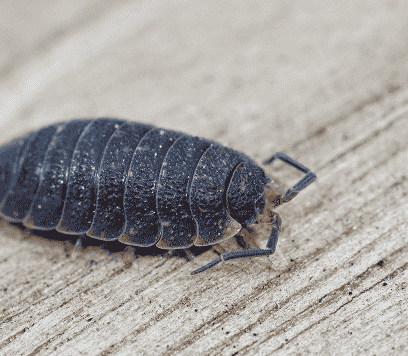
It is equally important to remember that mole pressure can increase where grubs are present. While moles primarily eat earthworms and other invertebrates, grub-heavy areas often support the same soil conditions that attract them. A yard with repeated disturbance may need both pest control Hamilton support and a broader soil and lawn care plan.
How to distinguish moles versus voles and other pests
One of the biggest homeowner concerns is confusing moles with other burrowing pests. Moles, voles, and even some rodent control issues can cause similar-looking damage, but the patterns are distinct.
Mole tunnels are usually more deeply hidden underground, with raised paths that may show up overnight. These tunnels often leave visible surface ridges across lawns, especially after rain or when the soil is loose. In some cases, you will also notice cone-shaped molehills, which are heaps of excavated soil pushed up from below.
Voles, by contrast, tend to create shallow runways in grass and mulch. They may show visible openings near plants, chew stems, and damage low vegetation. Voles are nearer to the surface and are more apt to cause direct plant feeding than moles. If your garden has damaged stems, missing plants, or little surface pathways through mulch, voles may be part of the issue.
Knowing the difference matters because the best control methods are not the same. Trapping strategies, exclusion methods, and prevention plans change depending on whether the problem is moles, voles, or another pest. A proper inspection can help pinpoint the species responsible and avoid wasted effort on the wrong treatment.
Tip: If you see raised tunnels but very little plant chewing, moles are the more likely culprit. If you see shallow runways and damaged stems, voles may be the greater problem.
How come mole problems are common in the Greater Hamilton area
Hamilton’s landscape gives moles plenty of access. The Niagara Escarpment influences soil structure, drainage, and terrain across the city and surrounding communities. That varied topography can create pockets of friable, well-drained ground alongside wetter zones, both of which may support burrowing activity in different ways.
Many Hamilton rodent removal properties in the region also have heavy clay soil. Clay can hold water longer after rainfall and during thaw cycles, especially in low-lying areas. Those conditions affect moisture levels in lawns and gardens, making some parts of a property easier for moles to tunnel through while also increasing the chance of visible turf disturbance.
The Greater Hamilton Area includes a wide mix of residential settings, from dense urban streets to properties near ravines, parks, and natural corridors. These urban green spaces can act as connected habitat for burrowing pests. When moles have access to continuous soil cover, they can move from one yard to the next, which helps explain why one home may deal with recurring activity while a neighbour does not.
Southern Ontario weather also plays a role. Spring moisture and thaw cycles often trigger more frequent movement underground. After frost leaves the ground, soils soften, worms become more active, and moles can travel more easily. This makes spring one of the most obvious periods for fresh tunnels, lifted turf, and other signs of infestation.
Proven mole removal approaches for Hamilton homeowners
There isn’t one fix that suits for every yard, but there are multiple tested approaches for dealing with moles. The best plan often depends on the size of the infestation, the structure of the yard, and whether you are dealing with a temporary problem or continued activity.
Trapping is one of the most immediate methods for mole control. When set properly in active tunnels, traps can capture the animal responsible for the damage. Because tunnels may have several branches and inactive sections, trap placement often requires experience and careful monitoring.
Exclusion can also help in certain areas, especially for protecting gardens, raised beds, and smaller landscaped zones. Physical barriers may limit access to prized planting areas and minimize repeated tunneling. While exclusion is not always practical for large lawns, it can be helpful where property protection is the priority.
Lawn repair is often necessary after mole activity. Even after the pest is removed, damaged turf may need regrading, reseeding, and soil restoration. Repairing the surface early helps reduce long-term turf damage and makes it easier to spot any new activity.
Mosquito Man Hamilton
62 First Rd W, Hamilton, ON L8J 3R2, Canada
+1 289-408-9573
https://maps.app.goo.gl/47W3PJ15EnQopiUf6
https://sites.google.com/view/pest-control-hamilton-ontario/
43.1795221, -79.7846013
Professional pest control can be the best option when you want a more complete response. A local technician can assess the infestation, identify the species involved, and recommend a treatment strategy based on the property layout, soil type, and severity of the problem. For homeowners who want a practical plan rather than trial-and-error repellents, professional support often saves time and eases frustration.
Repellent methods may offer short-lived short-term relief, but they are almost never the most reliable approach on their own. In Hamilton yards, especially those with clay-heavy soil and active soil life, the most effective plans typically combine removal, repair, and prevention.
What a pest control Hamilton service service typically offers
A quality pest control Hamilton service should open with a careful inspection. This step helps identify where activity is happening, how severe it is, and whether the damage is being caused by moles, voles, or another pest. During the inspection, a technician may look for fresh tunnels, molehills, soil disturbances, and signs of movement around lawns and gardens.
Next comes a bespoke treatment plan. This plan should fit the property’s conditions, including moisture issues, planting areas, and the level of turf damage. In some cases, the plan may focus on trapping. In others, it may include a mix of exclusion, targeted control, and repair recommendations.
Technicians may also identify likely entry points or movement corridors. While moles do not enter buildings the way some pests do, they often use the same soil routes across a property. Understanding those routes helps focus on active zones and limit repeat tunneling.
Many services include follow-up service to check results and confirm that activity has slowed or stopped. This is especially useful when seasonal activity is high or when the yard has conditions that support future burrowing. Ongoing monitoring can be a major part of effective pest management and long-term prevention.
How to prevent moles from coming back
Keeping them away is just as crucial as removal. Once the immediate problem is under control, the goal becomes making your yard less inviting to digging pests over time. That usually starts with better watering practices. Overwatering can keep soil too soft and moist, which makes digging easier. A smarter watering schedule can help lawns stay healthy without creating ideal tunnel conditions.
Soil management also matters. Improving drainage where possible, avoiding excess thatch, and maintaining balanced soil structure can reduce the conditions that attract moles. In Hamilton, where heavy clay soil is common, this may also involve aeration and careful topdressing to improve the overall condition of the lawn.
Because moles feed on worms and insects, managing grubs can be helpful when there is a broader soil pest issue. While grubs are not the only food source for moles, reducing turf pests can make a property less attractive and can also improve the health of the grass itself.
Regular landscape maintenance is another important step. Keeping edges tidy, monitoring shaded and damp sections of the yard, and checking gardens after heavy rain can help you catch infestation signs early. Routine care supports healthier lawns, stronger root systems, and better long-term prevention.
Most importantly, prevention works best when it is ongoing. A one-time fix may reduce visible damage, but lasting results usually come from ongoing property protection and monitoring for new tunnel activity.
When exactly to call a local mole management professional
Some mole activity can be dealt with by homeowners, but specific situations call for a professional inspection. If you are seeing recurring infestations, it likely means the property conditions are still favorable for digging pests. That can happen in yards with ongoing moisture, nearby vegetation, or active soil populations that continue to draw moles back.
You may want to also consider help if the damage is causing significant property damage. Large surface ridges, repeated molehills, and collapsing tunnels can make mowing difficult, create trip hazards, and hurt the appearance and usability of your lawn. In gardens, repeated digging can disrupt plants and root systems, especially in areas with loose soil and frequent watering.
Periodic activity is a further cause to take note. When the problem gets worse in the spring season or after heavy rain, a local expert can help you account for Hamilton’s weather patterns and ground conditions. This is especially helpful in yards that seem to flare up every year during melting periods.
A professional inspection is equally prudent when you are uncertain whether the issue is moles, voles, or a combination of pests. Securing the diagnosis right makes the treatment more efficient and prevents unnecessary work. For many homeowners, expert help is the fastest route to repairing the yard and stopping repeated damage.
Local service factors for Hamilton and nearby communities
Local expertise matters in mole control because site conditions differ across the region. In Ancaster, many homes sit on bigger lots with a mix of lawn, garden, and landscaped areas that may be impacted differently by burrowing pests. In Stoney Creek, terrain and moisture conditions can vary fast from one property to the next, especially where residential areas meet natural corridors.
Dundas properties can experience specific challenges due to nearby hillsides, mature gardens, and variations in soil associated with the local terrain. For homes near the Burlington border, conditions can also shift with drainage patterns and surrounding open greenery, which may impact how moles move through a yard.
In Hamilton, ON, the most effective service method is one that fits the surrounding area rather than a standard template. A specialist familiar with the Greater Hamilton Area will more fully appreciate how clay soil, escarpment terrain, and moisture patterns affect pest management. That local knowledge can enhance inspection accuracy, treatment choices, and prevention planning.
Residents often look for a solution that addresses practical concerns: keeping children safe, protecting gardens, maintaining curb appeal, and avoiding repeated repair work. A regional service that is familiar with Hamilton’s neighbourhoods and soil conditions is better positioned to meet those homeowner concerns effectively.
FAQs about mole control in Hamilton
How can I tell if I have moles in my Hamilton yard?
Look for fresh tunnels, raised surface ridges, and small piles of soil called molehills. Moles usually create visible underground tunnels and lawn damage without chewing plants directly. If the issue is in Hamilton, ON, seasonal moisture and soft ground often make the signs easier to spot.
What is the best mole control method in Hamilton, ON?
Capture trapping is commonly the best direct control method, particularly when tunnels are currently active and clearly identified. In a lot of cases, the strongest outcomes come from combining trapping with barriers, lawn repair, and prevention steps customized to regional ground and yard conditions.
Do moles cause permanent damage to lawns and gardens?
Moles typically don’t wipe out lawns entirely, but they can cause lasting turf damage if the tunnels are left unchecked. In landscaped areas, repeated digging can disturb roots and soil structure. Timely repair and protection help reduce the chance of long-term issues.
How much does mole control typically cost in Hamilton?
The price is influenced by the dimensions of the property, the extent of the infestation, and whether you need a check-up, catching, follow-up service, or lawn repair. A qualified inspection is the most effective way to obtain an precise quote for your individual circumstances.
Can I stop moles from coming back after treatment?
Yes. Long-term prevention often involves smarter watering practices, improved soil management, reducing grubs where needed, and routine landscape maintenance. Ongoing monitoring is important because local climate and seasonal activity can bring moles back if the yard remains attractive to them.