What Are Environmentally Friendly Pest Control Choices in Windsor?
If you are looking for pest control Windsor homeowners can trust while ensuring treatments as environmentally responsible as possible, the best place to start is with prevention. In Windsor, Ontario, pest pressure changes with the seasons, and the city’s mix of older houses, newer subdivisions, condos, and multi-unit housing means there is no one solution that works everywhere. Environmentally friendly pest management combines integrated pest management, careful maintenance, and carefully chosen products to lower exposure while still defending your home.
In practical terms, eco-friendly pest control is not about overlooking pests or using only home remedies. It is about using the most gentle solution that works, starting with non-chemical solutions and moving to low-toxicity products only when necessary. For many Windsor homes, this approach is also more durable because it focuses on the root cause: entry points, food sources, moisture, and places where pests hide.
What explains pest control eco-friendly?
Eco-friendly pest management is often built around integrated pest management, also called IPM. This approach emphasizes sustainable pest management by combining prevention, inspection and monitoring, and targeted intervention rather than routine blanket spraying. Rather than relying on a heavy residual spray, IPM aims for targeted treatment based on the pest species, the level of activity, and the conditions on the property.
Three elements usually define a greener strategy:
- Low-toxicity treatments used only where they are needed.
- Non-chemical pest control methods such as exclusion, trapping, and habitat changes.
- Preventive measures that make the space less attractive to pests in the first place.
For many properties in Windsor, a good eco-friendly plan will also include sanitation protocol, moisture reduction, and routine inspections of likely problem areas like basements, crawlspaces, utility rooms, garages, and shared walls. A truly environmentally responsible service should be clear about what product is used, where it is applied, and why it is needed.
Which pests are the most common in Windsor homes and yards?
In Windsor, pest activity is driven by humid summers, cold winters, and the city’s proximity to the Detroit River and Lake St. Clair. That waterfront influence can boost humidity and provide suitable conditions around foundations, sheds, decks, and shaded yard areas. In Riverfront/waterfront areas, moisture and dense landscaping can make pest management more challenging, especially during warm months.
The most common pests homeowners often deal with include:
- Ants entering kitchens, basements, and patios in search of food and water.
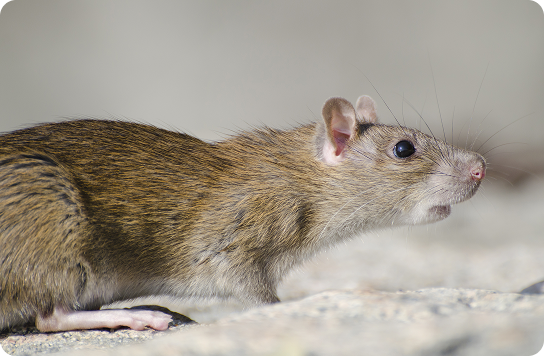
- Mice seeking shelter indoors in fall and winter for warmth and shelter.
- Cockroaches in buildings with shared walls, food residue, or moisture issues.
- Wasps building nests under eaves, in soffits, and around decks and sheds.
Ant control is often needed in spring and summer, especially where there are cracks in foundations or gaps around doors. Rodent control becomes more important in the colder months, when mice exclusion is a priority. Cockroach prevention matters year-round in apartments, condos, and multi-unit housing, where infestations can spread through walls, plumbing penetrations, and shared utility spaces. Wasp nest removal is often a late-summer concern when nests are larger and activity is higher.

Across Essex County and nearby suburban properties, the combination of garages, garden beds, stored recycling, and outdoor structures can also support pest activity. That is why eco-friendly pest control Windsor residents choose should be matched to the type of property and the local pressure on it.
What eco-friendly pest control solutions are most effective in Windsor?
The most effective green solutions in Windsor are the ones that minimize infestation pressure before pests become a serious issue. That usually means using several steps rather than depending on one product or one visit.
Sealing entry points is one of the best strategies. This includes sealing cracks and gaps around foundation joints, utility penetrations, vents, doors, windows, and garage openings. In older Windsor homes, small structural gaps are common. In newer subdivisions, gaps can appear around siding, rooflines, and garage doors. In both cases, exclusion cuts down on the need for ongoing chemical treatment.
Sanitation is equally important. Good sanitation practices remove the food and water sources that draw pests indoors. This means cleaning crumbs, wiping grease from kitchen surfaces, fixing leaks, and using secure food storage for pantry goods, pet food, and garbage. For cockroaches and ants, food debris and spills can be enough to keep activity going even after a treatment.
Traps and baits are another environmentally responsible option when used carefully. For rodents, tamper-resistant bait stations and trapping can be part of a broader rodent control plan. For ants and cockroaches, baits often outperform broad sprays because they are more selective and can reach the colony or harbourage directly. This is especially useful in multi-unit housing, where a targeted approach can limit exposure to residents while still addressing the source.
Habitat modification also makes a big difference. If the yard has heavy mulch, dense shrubs, standing water, or piles of debris near the foundation, pests will have more shelter and access to the house. Reducing clutter, trimming vegetation, and improving drainage all help lower harborage. Around Windsor and Essex County, landscaping maintenance should also include checking the property line, especially where trees, fences, sheds, and storage areas meet neighbouring lots.
These techniques work best when paired with monitoring and inspection. An expert can identify entry points for pests, their nesting sites, and which conditions are causing recurring concerns. This forms the basis of effective green pest control.
Are plant-based pest repellents effective for Windsor weather?
Natural solutions can assist, but they should be seen as backup tools rather than total answers. Windsor’s humid summers, winter cold, and waterfront moisture can all affect how well these methods work.
Essential oils are often used as natural deterrents for ants and some flying insects. Peppermint, clove, and citrus-based products may reduce activity in certain areas, but they rarely eliminate an established infestation. They can be useful around door thresholds, window frames, or utility spaces when paired with exclusion and cleaning.
Diatomaceous earth can be useful against some crawling insects when applied correctly to dry, hidden areas. It works best in cracks, voids, and other protected spots where pests move. However, moisture can lessen its effectiveness, so it is not always ideal in damp basements or waterfront properties near the Detroit River and Lake St. Clair influence.
Beneficial insects can help in outdoor settings by supporting a healthier yard ecosystem. They are more relevant for garden pests than for indoor infestations, but they can be part of a broader yard-centered strategy. For example, encouraging beneficial species in a well-managed garden may help limit some pest pressure without resorting to heavy pesticide use.
Natural products can be a useful part of green pest control, but they are not always enough for high infestation pressure. If pests are nesting in walls, attics, or hidden spaces, the most effective approach is still a combination of sealing, sanitation, and properly placed treatment.
When should you call a expert for green pest control?
You should contact a licensed pest control technician when the pest problem is ongoing, spreading, or harming health and safety. An expert can conduct a detailed inspection, determine the pest species, and develop a treatment plan that uses the most gentle tools first.
Professional help is especially important when:
- You think rodents in walls, attics, or basements.
- Ants reappear after cleaning and sealing visible gaps.
- Cockroaches are present in a condo, apartment, or shared building.
- A wasp nest is found near a doorway, play area, or roofline.
- You need a plan that is safe for families and safe for pets.
Professionals offering eco-friendly pest control Windsor residents can rely on should emphasize targeted treatment and skip unnecessary broadcast applications. They may use low-toxicity gel baits, crack-and-crevice treatments, or limited-use products instead of a full-structure spray. In many situations, a carefully managed approach is more effective than a general residual spray because it reaches the actual source of the issue.
In older Windsor homes, professionals often focus on attics, basements, and foundation lines. In newer subdivisions, garages, utility rooms, and exterior trim can be the main problem areas. In multi-unit housing, coordination and follow-up become especially important because pests can move through shared spaces. A good provider will also explain the role of inspection and monitoring after the first visit.
How can Windsor homeowners keep away pests year-round?
Preventing pests all year in Windsor depends on the season. The city’s humid summers create more insect activity, while cold winters push rodents indoors. A strong plan uses seasonal maintenance to stay ahead of those shifts.
In spring and summer, prioritize:

- Checking doors, windows, screens, and vents for weatherproofing issues.
- Monitoring for standing water and improving moisture control.
- Leaving patios, decks, and sheds tidy.
- Cleaning gutters and drainage around the home.
In fall and winter, switch to:
- Checking entry points for mice and sealing openings before temperatures drop.
- Improving exclusion around garage doors, utility lines, and basement penetrations.
- Checking pantry storage and basement clutter.
- Monitoring rodent signs in attics, crawlspaces, and behind appliances.
Weatherproofing is very important in Windsor because older homes and changing temperatures can create new gaps over time. Small cracks around windows, foundation lines, and garage frames are often enough for mice and insects to get in. Regular checks are a simple but powerful part of prevention.
Garbage management matters too. Make sure outdoor bins closed, clean recycling containers, and avoid overfilling garbage bags. In Essex County and nearby suburban properties, waste storage near garages or fences can attract ants, rodents, and wasps if it is not managed carefully.
Landscaping also has a major role. Trim back shrubs from the house, keep firewood off the ground, and avoid letting mulch pile up against the foundation. Around a property line, overgrown vegetation can create hidden pathways for pests and make monitoring harder. Good yard maintenance reduces harbourage and helps keep pests away from the structure.
What ought you ask a Windsor pest control company about eco-friendly options?
Before choosing a provider, ask specific questions so you know whether their approach is truly green pest control or just lightly marketed that way. A trustworthy company should be able to explain its process clearly.
Inquire about the following:
- What does include the treatment plan?
- Do you rely on low-toxicity products or primarily non-chemical methods?
- How do you determine when a chemical treatment is necessary?
- What do exactly the product labels say about indoor use, re-entry, and safety?
- Is there a service guarantee?
- Is follow-up monitoring available for follow-up monitoring after the initial service?
You should also ask how the company handles different property types. A good plan for https://mosquitoman.ca/franchise/ a detached home in Windsor may not be the right plan for a condo, duplex, or apartment building. If you live in multi-unit housing, the company should understand shared-wall issues, sanitation needs, and coordinated inspection steps. If you live near the waterfront or in a humid pocket of the city, they should also account for moisture and habitat differences.
When comparing providers, look for clear language about integrated pest management, ongoing inspection and monitoring, and practical prevention advice. The best services in pest control Windsor homeowners choose are the ones that reduce repeat problems rather than simply treating visible symptoms.
FAQ: Eco-friendly pest control in Windsor
What’s the most eco-friendly way to handle pests in Windsor?
The most eco-friendly approach is integrated pest management, which starts with prevention, inspection and monitoring, and non-chemical solutions like sealing cracks and gaps, sanitation practices, and habitat changes. In Windsor, this works best because seasonal changes, humid summers, and cold winters all affect where pests live and how they enter homes.
Are eco-friendly pest control products useful against ants and mice?
They can help, but they are usually not adequate on their own. Essential oils and other natural deterrents may decrease activity around entry areas, and diatomaceous earth can help with some crawling insects. For mice, however, mice exclusion, trapping, and proper rodent control are more effective than repellents alone.
Is eco-friendly pest control safe for children and pets?
It can be, especially when the plan relies on non-chemical solutions and carefully chosen low-toxicity products. Ask the company how it handles safe for families and safe for pets concerns, where treatments are placed, and whether bait stations or other products are secured. A good provider will use selective application and explain any precautions clearly.
How much does natural pest control cost in Windsor, ON?
The cost depends on the pest, the size of the property, the amount of inspection and monitoring needed, and whether the issue requires exclusion or follow-up visits. A simple ant or wasp service may cost less than ongoing rodent or cockroach work in a larger home or multi-unit housing setting. The most accurate estimate comes after an inspection.
When should I contact a professional for pest control Windsor services?
Hire a professional when the infestation keeps returning, when pests are inside walls or hidden spaces, or when you need a solution that is environmentally responsible and suitable for your home’s layout. A licensed pest control provider can assess the issue, recommend a targeted treatment, and set up follow-up monitoring so the problem does not come back.
Mosquito Man Windsor
2485 Front Rd, LaSalle, ON N9J 2C5, Canada
+1 226-526-4711
https://maps.app.goo.gl/JwhSC65zfbLWNH6v7
https://mosquitoman.ca/pest-control/windsor/
42.2161228, -83.1003005